
Weather Modification
Orgonite Weather Modification: Field Observations from Africa
The cloudbuster concept originated with Wilhelm Reich’s atmospheric research in the 1950s. Reich developed devices using hollow metal tubes to interact with what he termed “orgone energy” in the atmosphere. Don Croft later adapted this concept, creating orgonite-based cloudbusters that combine Reich’s pipe configuration with orgonite—a mixture of metal particles, crystals, and resin.
Orgonise Africa Cloudbuster Construction
OA cloudbusters follow a specific design protocol observed during field deployments:
- Six copper pipes arranged in specific geometric patterns
- Orgonite base containing metal shavings, quartz crystals, and polyester resin
- Pipes embedded directly into the orgonite matrix during curing
- Strategic placement considering local topography and prevailing wind patterns
Field Reports from Drought-Affected Regions
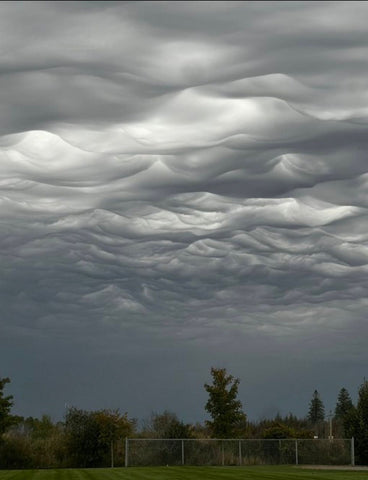
During OA’s extensive gifting expeditions across drought-stricken areas of southern and eastern Africa, teams have documented various atmospheric phenomena following cloudbuster installations. Field reports describe observations of increased cloud formation within days or weeks of deployment, particularly in regions experiencing prolonged dry periods.
In the Kalahari Desert campaigns, expedition members noted unusual cloud patterns appearing over previously cloudless areas. Similar observations were recorded during operations in drought-affected regions of Zimbabwe, Mozambique, and Namibia, though researchers emphasize these remain correlational observations rather than proven causal relationships.
Water Body Gifting and Local Weather Patterns
OA’s water gifting protocol involves placing orgonite devices in rivers, lakes, and dams based on the theory that water bodies significantly influence regional weather systems. Field teams report that gifting major water sources often precedes changes in local precipitation patterns.
Expedition logs document cases where gifting activities along river systems correlated with subsequent rainfall in downstream areas. The Zambezi River project exemplifies this approach, where systematic orgonite placement along the river’s length preceded reported increases in regional rainfall, though multiple environmental factors could contribute to such changes.
These field observations represent ongoing documentation efforts rather than definitive scientific conclusions about weather modification capabilities.
Ready to experience orgonite for yourself?
Shop All Products →